
Call us now
07971190170
Rutile Quartz
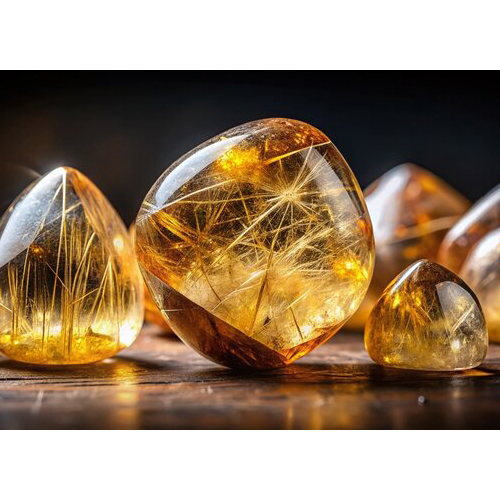

Rutile Quartz Specification
- Chemical Composition
- SiO2 with rutile (TiO2)
- Usage & Applications
- Gemstones, jewelry, collectors items, metaphysical uses
- Water Absorption
- Nil
- Melting Point
- 1610C - 1725C
- Purity(%)
- 98%+
- Application
- Industrial
- Density
- 2.65 Gram per cubic centimeter(g/cm3)
- Form
- Solid, rough or cut and polished
- Hardness (%)
- 6.5 - 7 (Mohs scale)
- Surface Finish
- Polished, rough
- Product Type
- Refractories
- Types of Refractories
- Basic Refractory
- Shape
- Lumps, loose stone
- Porosity
- Non-porous
- Dimensional Stability
- Reversible
- Strength
- High
- Specific Gravity
- 2.62 - 2.65
- Thermal Conductivity
- Low
- Color
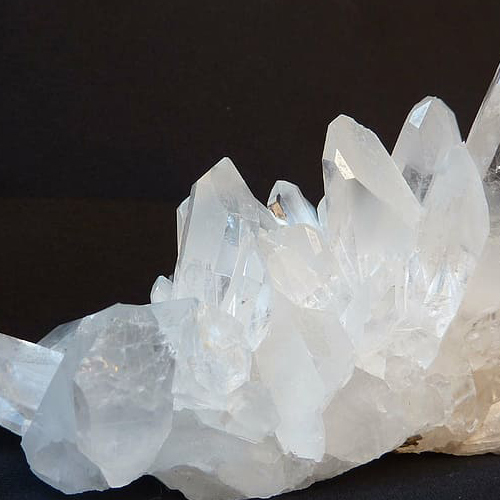
- Transparent with golden to reddish-brown needle-like inclusions
- Transparency
- Transparent to translucent
- Cleavage
- Indistinct
- Fracture
- Conchoidal
- Crystal System
- Hexagonal
- Luster
- Vitreous
- Refractive Index
- 1.54 - 1.55
Rutile Quartz Trade Information
- Minimum Order Quantity
- 100 Kilograms
- Payment Terms
- Cash in Advance (CID)
- Supply Ability
- 5000 Kilograms Per Month
- Delivery Time
- 7 - 10 Days
- Main Export Market(s)
- Asia, North America, Africa, Australia, Middle East, South America, Central America, Western Europe, Eastern Europe
- Main Domestic Market
- All India
About Rutile Quartz
Rutilated quartz is a unique variety of quartz known for its striking needle-like inclusions of rutile, a titanium dioxide mineral. These golden, reddish, or copper-colored threads enhance the stone's appearance, creating a stunning visual effect. Composed mainly of silicon dioxide, the quartz provides strength and durability, while the rutile adds both aesthetic appeal and metaphysical properties. Rutilated quartz is processed by cutting and polishing to reveal its natural beauty. It is widely used in jewelry, ornamental stones, and healing crystals. In industries like fashion and wellness, it benefits by offering both beauty and spiritual significance.
Striking Aesthetics and Durability
Rutile Quartz stands out for its elegant, needle-like rutile inclusions that shimmer under light, making each piece unique. Beyond beauty, its impressive hardness and high strength provide resilience suitable for various applications, from jewelry to industrial use. Owing to its non-porous nature and nil water absorption, Rutile Quartz maintains its quality and appearance over time.
Versatile Industrial and Decorative Applications
Thanks to its high melting point (1610C - 1725C), low thermal conductivity, and reversible dimensional stability, Rutile Quartz is utilized as a basic refractory material in various industries. Its reliability, coupled with an attractive surface-polished or rough-makes it popular with exporters, manufacturers, and suppliers in India. Additionally, its unique visual appeal serves collectors and jewelry designers alike.
FAQ's of Rutile Quartz:
Q: How is Rutile Quartz typically used in various industries and jewelry?
A: Rutile Quartz is widely used in the jewelry industry as gemstones for rings, pendants, and display pieces due to its distinctive inclusions and durability. In industrial applications, it is valued as a basic refractory material because of its high melting point, reversible dimensional stability, low thermal conductivity, and chemical purity, making it suitable for use in furnaces and other high-temperature environments.Q: What gives Rutile Quartz its unique appearance and colors?
A: The distinctive golden to reddish-brown needle-like inclusions in Rutile Quartz come from rutile (TiO2) crystals embedded within the quartz (SiO2) matrix. These inclusions create visually striking patterns and shimmers, which can be further accentuated through cutting and polishing.Q: Where is Rutile Quartz primarily sourced and supplied from?
A: Rutile Quartz is predominantly sourced, processed, and supplied by exporters, manufacturers, and traders in India. The country's rich geological resources and established gemstone industry have made it a global hub for Rutile Quartz, providing both rough stones and cut gemstones to international markets.Q: What is the process for preparing Rutile Quartz for different uses?
A: Rutile Quartz can be processed in several forms: as lumps, loose stones, or cut and polished pieces. For industrial purposes, larger chunks or aggregates may suffice, whereas the gemstone market typically requires meticulous cutting and polishing to enhance the visual appeal of the rutile inclusions. All final products benefit from surface finishing techniques to suit their intended use.Q: When and why should one choose Rutile Quartz as a refractory material?
A: Rutile Quartz should be selected for refractory applications when high thermal resistance, excellent dimensional stability, and low thermal conductivity are required, such as in furnaces, kilns, or high-temperature containers. Its conchoidal fracture and high melting point ensure reliability and longevity under extreme conditions.Q: What benefits does Rutile Quartz offer collectors and metaphysical practitioners?
A: For collectors, Rutile Quartz offers natural beauty and rarity, with each specimen displaying unique rutile inclusion patterns. In metaphysical circles, it is believed to amplify spiritual energy and promote clarity, making it a sought-after stone for meditation, healing, and energy work.- Minimum Order Quantity
- 100 Kilograms
- Supply Ability
- 5000 Kilograms Per Month
- Delivery Time
- 7 - 10 Days
- Main Domestic Market
- All India
- Main Export Market(s)
- Asia, North America, Africa, Australia, Middle East, South America, Central America, Western Europe, Eastern Europe
 Get Latest Price
Tell us about your requirement

Price:
Quantity
Select Unit
- 50
- 100
- 200
- 250
- 500
- 1000+
Additional detail
Mobile number
Email

More Products in Quartz Lumps Category
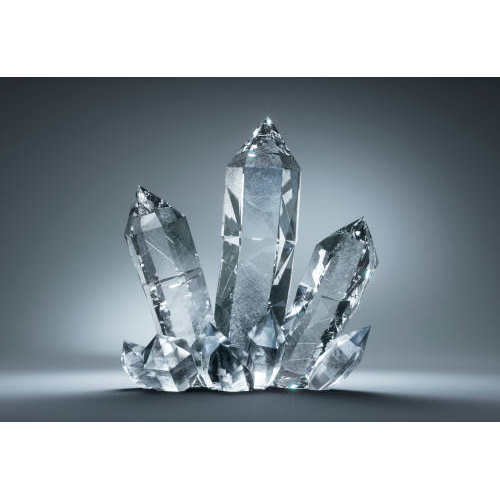
Cristal Quartz
Minimum Order Quantity : 100 Kilograms
Application : Industrial
Product Type : Refractories
Color : Transparent / White
Shape : Other, Granules, grains, powder
Strength : High
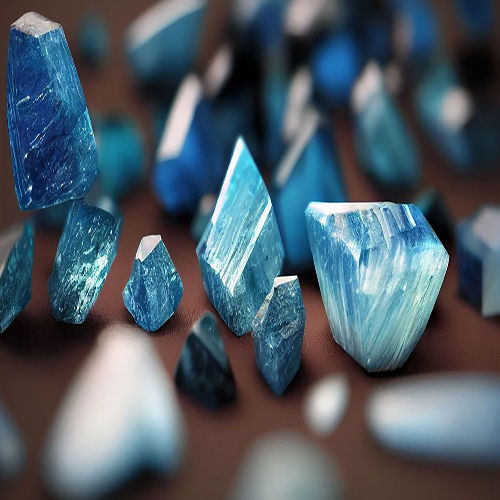
Kaynite Stone
Minimum Order Quantity : 100 Kilograms
Application : Industrial
Product Type : Refractories
Color : Blue to bluegreen
Shape : Other, Lumps, Granules, Powder
Strength : High
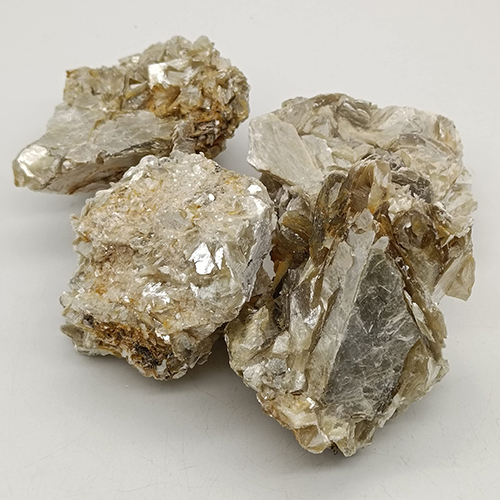
Electrical Insulating Mica Quartz
Minimum Order Quantity : 100 Kilograms
Application : Industrial
Product Type : Refractories
Color : Silver Grey, White
Shape : Other, Sheet, Plate, Block
Strength : High
High Solid Semi Glassy Quartz
Minimum Order Quantity : 100 Kilograms
Application : Industrial
Product Type : Refractories
Color : White
Shape : Other, Granular
Strength : High

GOLD BUCK TRADERS & GOODS
GST : 08BLKPK1478C1Z3
GST : 08BLKPK1478C1Z3
|


Ward No. 1, Chanderiya Road,Chittorgarh - 312021, Rajasthan, India
Phone :07971190170
 Send Inquiry
 Send Inquiry
 Send SMS
 Call Me Free
GOLD BUCK TRADERS & GOODS
All Rights Reserved.(Terms of Use)
Developed and Managed by Infocom Network Private Limited.
Developed and Managed by Infocom Network Private Limited.

