
Call us now
07971190170
Kaynite Stone
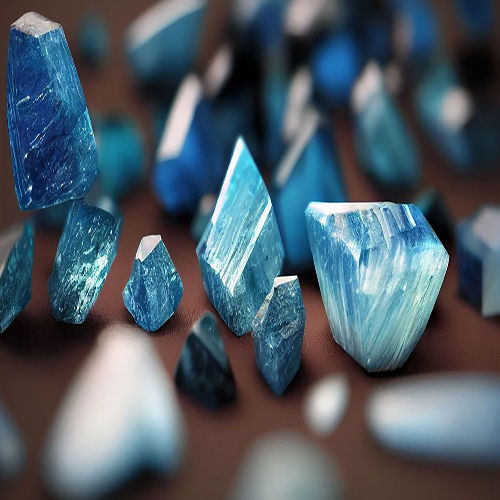

Kaynite Stone Specification
- Surface Finish
- Rough/Granular
- Purity(%)
- 60-95%
- Chemical Composition
- Aluminum Silicate (Al2SiO5)
- Water Absorption
- Very low
- Density
- 2.8 Gram per cubic centimeter(g/cm3)
- Melting Point
- About 1810C (3290F)
- Usage & Applications
- Refractory bricks, kiln lining, ceramic glazes, castables
- Application
- Industrial
- Hardness (%)
- 5-7 (Mohs)
- Form
- Stone, powder, granules
- Product Type
- Refractories
- Types of Refractories
- Basic Refractory
- Shape
- Lumps, Granules, Powder
- Porosity
- Low to Medium
- Dimensional Stability
- Reversible
- Strength
- High
- Specific Gravity
- Approximately 3.53-3.66
- Thermal Conductivity
- Low
- Color
- Blue to blue-green
- Crystal System
- Triclinic
- Refractoriness
- >1700C
- Solubility
- Insoluble in water
- Storage
- Store in cool, dry place
- Streak
- White
- Common Impurities
- Iron, Titania
- Packaging
- Bag or bulk as per requirement
- Bulk Modulus
- 140 GPa
Kaynite Stone Trade Information
- Minimum Order Quantity
- 100 Kilograms
- Payment Terms
- Cash in Advance (CID)
- Supply Ability
- 5000 Kilograms Per Month
- Delivery Time
- 7 - 10 Days
- Main Export Market(s)
- North America, Africa, Asia, South America, Australia, Middle East, Central America, Western Europe, Eastern Europe
- Main Domestic Market
- All India
About Kaynite Stone
Kaynite stone is a rare, crystalline mineral primarily composed of potassium, magnesium, and sulfate. Its unique chemical composition gives it remarkable hardness and resistance to weathering. This mineral is often processed through extraction, followed by refinement to enhance its natural shine and texture. Kaynite is valued for its vibrant hues, making it suitable for decorative stonework in architecture and jewelry. It's commonly used in the mining, construction, and gemstone industries, where its durability and aesthetic appeal benefit product longevity and design. Kaynite's unique properties also make it a valuable resource for specialized industrial applications.
Versatile Industrial Applications
Kaynite Stone proves indispensable in industries requiring high-temperature resistance and durability, such as metallurgy, ceramics, and foundry. Its high refractoriness and robust thermal stability make it perfect for manufacturing refractory bricks, kiln linings, and castables, ensuring structures withstand intense operational conditions.
Exceptional Physical and Chemical Properties
With its triclinic crystal system, Kaynite Stone offers notable attributes including high hardness (5-7 Mohs), low thermal conductivity, and a specific gravity ranging from 3.53 to 3.66. Its low porosity and rough, granular surface finish also enhance its performance in demanding industrial environments.
Storage and Packaging Flexibility
To maintain optimal quality and performance, Kaynite Stone should be stored in a cool and dry place. Packaging options include standard bags or bulk shipments, accommodating the varying needs of manufacturers, suppliers, and exporters in India.
FAQ's of Kaynite Stone:
Q: How should Kaynite Stone be stored for optimal longevity?
A: Kaynite Stone should be stored in a cool, dry place to prevent degradation and maintain its structural integrity, especially if intended for industrial applications like refractory production.Q: What are the main industrial applications of Kaynite Stone?
A: Kaynite Stone is extensively used in the production of refractory bricks, kiln lining, ceramic glazes, and castables, thanks to its high melting point, low water absorption, and superior strength.Q: When is Kaynite Stone preferred over other refractory materials?
A: Kaynite is chosen when high heat resistance, dimensional stability, and chemical inertness are required. Its unique properties make it ideal where basic refractories and reversible stability are crucial.Q: Where is Kaynite Stone typically sourced and supplied in India?
A: Kaynite Stone is widely exported, manufactured, supplied, and traded by various industrial material suppliers across India, ensuring availability for diverse industrial requirements.Q: What process is involved in converting Kaynite Stone to usable industrial forms?
A: Kaynite is extracted and subsequently processed into different shapes, such as lumps, granules, or powder. These forms are further used in manufacturing refractory products for high-temperature industrial usage.Q: How does Kaynite Stone benefit refractory applications?
A: Kaynite enhances refractory products by providing high strength, minimal water absorption, and low thermal conductivity. Its high purity and thermal stability improve the durability and efficiency of bricks and kiln linings.Q: What distinguishes Kaynite Stone from other aluminum silicate minerals?
A: Kaynite's triclinic structure, high refractoriness (>1700C), low to medium porosity, and strong reversible stability set it apart from other aluminum silicates, making it particularly effective in demanding thermal environments.- Minimum Order Quantity
- 100 Kilograms
- Supply Ability
- 5000 Kilograms Per Month
- Delivery Time
- 7 - 10 Days
- Main Domestic Market
- All India
- Main Export Market(s)
- North America, Africa, Asia, South America, Australia, Middle East, Central America, Western Europe, Eastern Europe
 Get Latest Price
Tell us about your requirement

Price:
Quantity
Select Unit
- 50
- 100
- 200
- 250
- 500
- 1000+
Additional detail
Mobile number
Email

More Products in Quartz Lumps Category
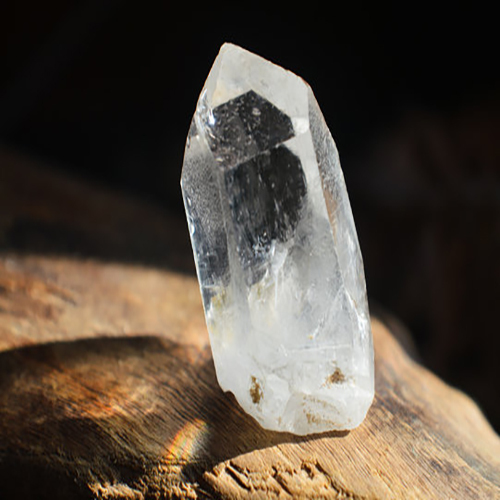
Glassy Quartz
Minimum Order Quantity : 100 Kilograms
Shape : Other, Granules, lumps, or powder
Strength : High
Specific Gravity : 2.65 g/cm3
Product Type : Refractories
Application : Industrial
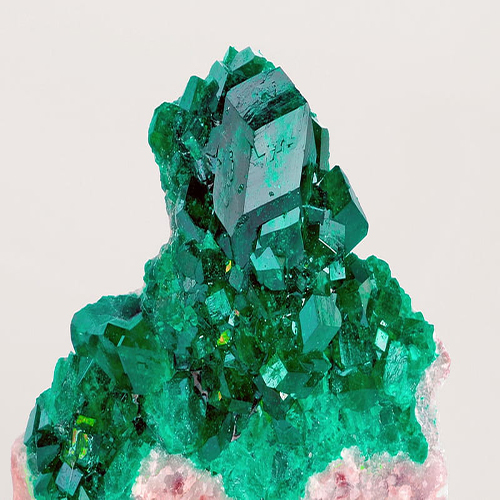
Solid Green Quartz
Minimum Order Quantity : 100 Kilograms
Shape : Other, Slab, Cuttosize
Strength : High
Specific Gravity : 2.35 2.45 g/cm3
Product Type : Refractories
Application : Industrial
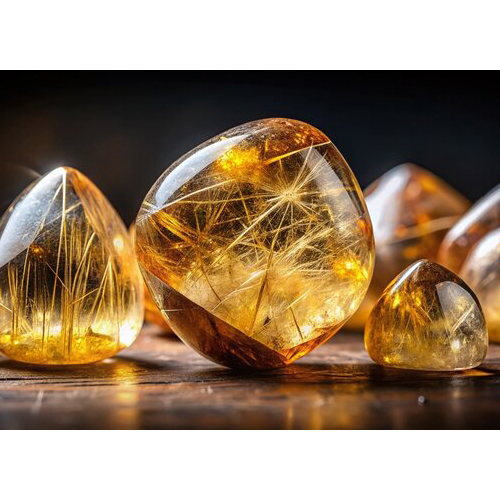
Rutile Quartz
Minimum Order Quantity : 100 Kilograms
Shape : Other, Lumps, loose stone
Strength : High
Specific Gravity : 2.62 2.65
Product Type : Refractories
Application : Industrial
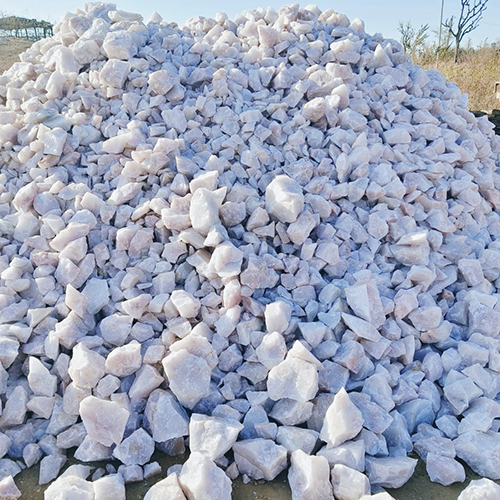
Hard Glassy Quartz
Minimum Order Quantity : 100 Kilograms
Shape : Other, Solid
Strength : High
Specific Gravity : 2.6 to 2.7
Product Type : Minerals
Application : Industrial

GOLD BUCK TRADERS & GOODS
GST : 08BLKPK1478C1Z3
GST : 08BLKPK1478C1Z3
|


Ward No. 1, Chanderiya Road,Chittorgarh - 312021, Rajasthan, India
Phone :07971190170
 Send Inquiry
 Send Inquiry
 Send SMS
GOLD BUCK TRADERS & GOODS
All Rights Reserved.(Terms of Use)
Developed and Managed by Infocom Network Private Limited.
Developed and Managed by Infocom Network Private Limited.

