
Call us now
07971190170
Rice Husk
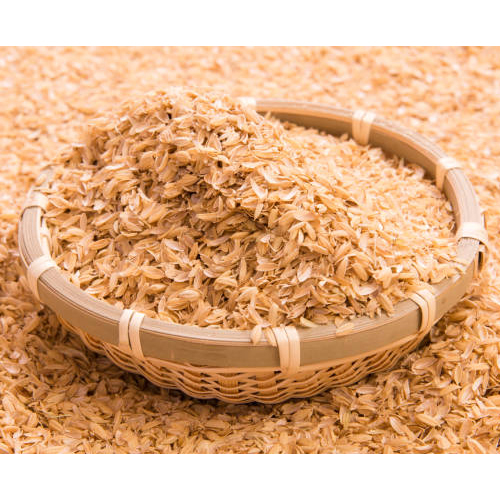

Rice Husk Specification
- Chemical Composition
- Silica (SiO2) 85-90%, Carbon 7-10%
- Form
- Solid, flaky, fibrous
- Density
- 160 Gram per cubic centimeter(g/cm3)
- Surface Finish
- Coarse, fibrous
- Water Absorption
- High absorptive capacity
- Hardness (%)
- ~40% as compared to sand
- Application
- Industrial
- Usage & Applications
- Fuel in boilers, raw material for activated carbon, soil amendment, silica source, insulation, lightweight aggregate
- Purity(%)
- Silica purity up to 90% (after processing)
- Melting Point
- About 1687 K (for silica content)
- Product Type
- Refractories
- Types of Refractories
- Basic Refractory
- Shape
- Elongated, fibrous, irregular husk
- Porosity
- High
- Dimensional Stability
- Reversible
- Strength
- High
- Specific Gravity
- 1.2 - 1.4
- Thermal Conductivity
- Low, typically 0.03 - 0.06 W/m.K
- Color
- Light Brown to Pale Yellow
- Volatile Matter
- Up to 70%
- Biodegradability
- Highly biodegradable unless reinforced or calcined
- Ash Content
- 15 - 20% (by weight)
- Moisture Content
- 8 - 10% (as received)
- Particle Size
- 0.5 - 2 mm (typical)
- Sourcing
- Derived from paddy milling
- pH Value
- 6.8 - 8.0
- Bulk Volume
- 0.9 - 1.4 m3 per 1000 kg
- Loss on Ignition
- 15 - 18%
- Odour
- Mild earthy/organic
Rice Husk Trade Information
- Minimum Order Quantity
- 100 Kilograms
- Payment Terms
- Cash in Advance (CID)
- Supply Ability
- 5000 Kilograms Per Month
- Delivery Time
- 7 - 10 Days
- Main Export Market(s)
- Central America, Middle East, Australia, South America, Asia, Africa, North America, Eastern Europe, Western Europe
- Main Domestic Market
- All India
About Rice Husk
Rice husk, the outer layer of rice grains, is a fibrous byproduct of rice milling. It contains silica, cellulose, hemicellulose, and lignin, providing strength and durability. Rich in fiber and antioxidants, it aids digestion and offers potential as a natural pesticide. Processed into ash, it is used in construction (as a lightweight aggregate) and energy production (as biomass fuel). The husk is also utilized in the manufacturing of paper, textiles, and bioplastics. Rice husk is valued for its sustainability, offering eco-friendly solutions in industries like agriculture, construction, and renewable energy. It reduces waste and promotes environmental health.
High Silica Content for Industrial Efficiency
Rice husk's impressive silica concentration (up to 90% after processing) makes it a sought-after material in various industrial applications. Its use as a source for high-purity silica supports numerous sectors, from insulation to refractory manufacturing, ensuring both cost-efficiency and material performance.
Multipurpose Applications in Industry
This rice husk variant excels as a fuel in industrial boilers due to its significant volatile matter and low thermal conductivity. Furthermore, it serves as an eco-friendly raw material for activated carbon, a lightweight aggregate in construction, and an effective soil amendment due to its high porosity and organic content.
Sustainable and Biodegradable Solution
Sourced directly from rice milling processes, these husks offer high biodegradability unless calcined or reinforced, making them environmentally friendly. Their utilization in agriculture and manufacturing supports sustainable practices by maximizing the value of renewable resources and reducing waste.
FAQ's of Rice Husk:
Q: How is rice husk with a particle size of 0.5 - 2 mm sourced?
A: This rice husk is derived from the milling of paddy grains, which separates the outer fibrous covering from the rice. The husks are then sieved to achieve the desired particle size of 0.5 - 2 mm, ensuring consistency and quality for industrial use.Q: What are the main industrial applications of this rice husk?
A: This rice husk is used as boiler fuel, a raw material for activated carbon, lightweight aggregate in construction, soil amendment in agriculture, insulation, and as a source for extracting high-purity silica. Its versatile properties cater to a wide range of sectors.Q: When should rice husk be used as a soil amendment?
A: Rice husk is ideal for use as a soil amendment before planting or during soil preparation. Its high porosity and organic content improve soil structure, aeration, and moisture retention, benefiting plant growth throughout the cropping season.Q: Where can this rice husk be sourced or obtained?
A: This high-quality rice husk is commonly sourced from rice processing mills and is available through manufacturers, exporters, suppliers, and traders in India, who cater to both domestic and international markets.Q: What is the process involved in converting rice husk to activated carbon?
A: Activated carbon from rice husk is produced through pyrolysis or chemical activation. The husk is heated in a controlled environment (often with activating agents) to develop its porous structure, resulting in a highly adsorptive material for filtration and purification.Q: What benefits does rice husk offer for insulation applications?
A: Thanks to its low thermal conductivity (0.03 - 0.06 W/m.K) and high porosity, rice husk acts as an effective insulator. It protects industrial equipment from heat loss while providing a lightweight, eco-friendly alternative to conventional insulation materials.- Minimum Order Quantity
- 100 Kilograms
- Supply Ability
- 5000 Kilograms Per Month
- Delivery Time
- 7 - 10 Days
- Main Domestic Market
- All India
- Main Export Market(s)
- Central America, Middle East, Australia, South America, Asia, Africa, North America, Eastern Europe, Western Europe
 Get Latest Price
Tell us about your requirement

Price:
Quantity
Select Unit
- 50
- 100
- 200
- 250
- 500
- 1000+
Additional detail
Mobile number
Email

More Products in Quartz Lumps Category
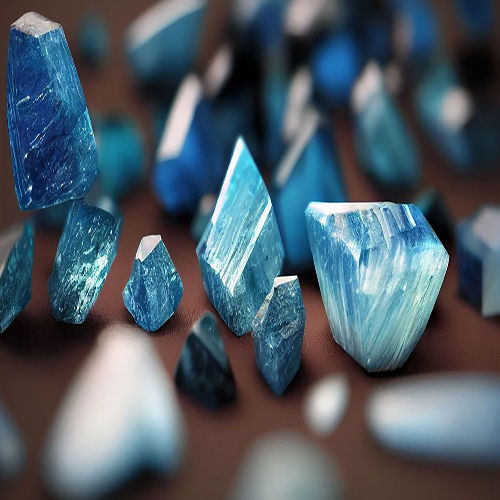
Kaynite Stone
Minimum Order Quantity : 100 Kilograms
Shape : Other, Lumps, Granules, Powder
Specific Gravity : Approximately 3.533.66
Strength : High
Application : Industrial
Color : Blue to bluegreen
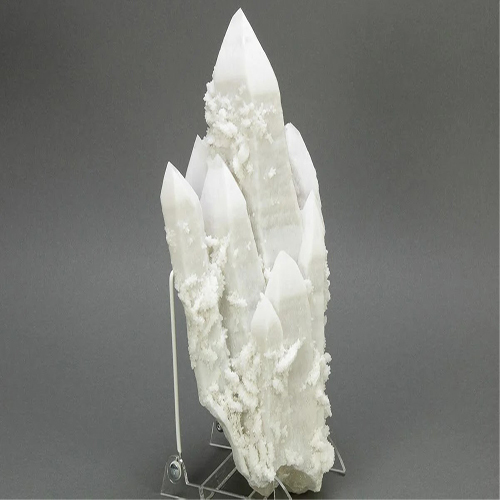
Milky Quartz
Minimum Order Quantity : 100 Kilograms
Shape : Other, Lumps, Granules, Powder
Specific Gravity : 2.65
Strength : High
Application : Industrial
Color : Milky white
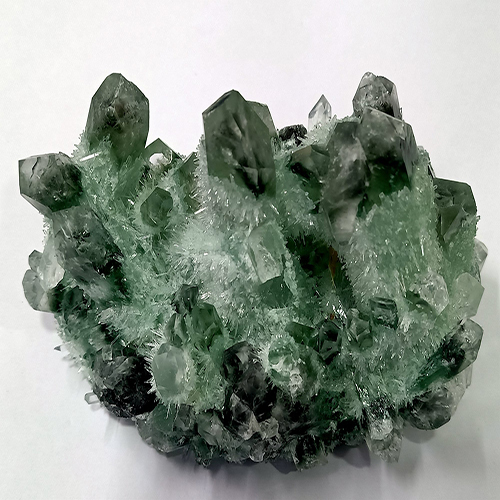
Green Crystal Quartz
Minimum Order Quantity : 100 Kilograms
Shape : Other, Crystal, Tumbled, Cubic, Raw
Specific Gravity : 2.65
Strength : High
Application : Industrial
Color : Green
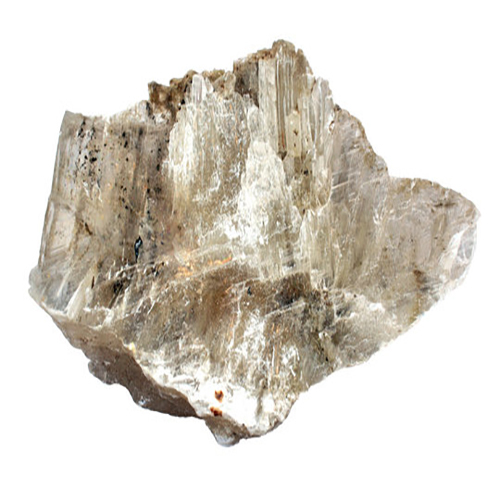
Mica Flex
Minimum Order Quantity : 100 Kilograms
Shape : Other, Sheet / Flex
Specific Gravity : 2.7 2.9 g/cm3
Strength : High
Application : Industrial
Color : Natural Grey / Silverish

GOLD BUCK TRADERS & GOODS
GST : 08BLKPK1478C1Z3
GST : 08BLKPK1478C1Z3
|


Ward No. 1, Chanderiya Road,Chittorgarh - 312021, Rajasthan, India
Phone :07971190170
 Send Inquiry
 Send Inquiry
 Send SMS
GOLD BUCK TRADERS & GOODS
All Rights Reserved.(Terms of Use)
Developed and Managed by Infocom Network Private Limited.
Developed and Managed by Infocom Network Private Limited.

